The Mythical Tales of Virgo
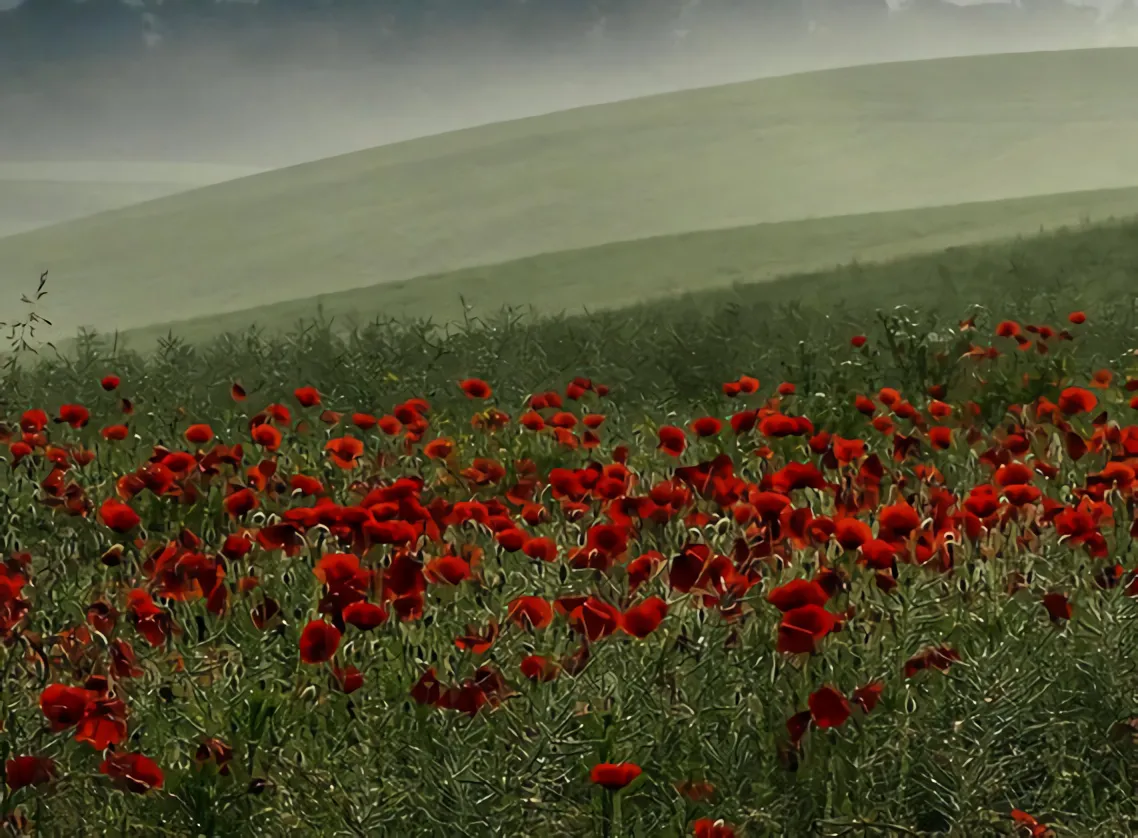
The constellation Virgo, also known as the Maiden, stands as one of the largest constellations in the night sky, second only to Hydra. Positioned along the ecliptic and intersecting the celestial equator near the autumnal equinox point, Virgo graces the eastern horizon during spring evenings. It reaches its highest point around midnight on April 11 each year and remains visible between latitudes 80°N and 80°S.
Spica, the brightest star in Virgo, holds significant cultural importance as the first star of the twenty-eight lunar mansions in Chinese astronomy and the fifteenth brightest star overall, emitting a distinctive blue-white glow. Following the arc of the Big Dipper’s handle southward leads stargazers directly to this celestial beacon.


The Harvest Goddess Mythology
Ancient star maps depict Virgo as a winged goddess holding wheat and a sickle, representing either the harvest goddess or the embodiment of justice. The scales beside her, which later became the constellation Libra, were believed to measure human deeds.
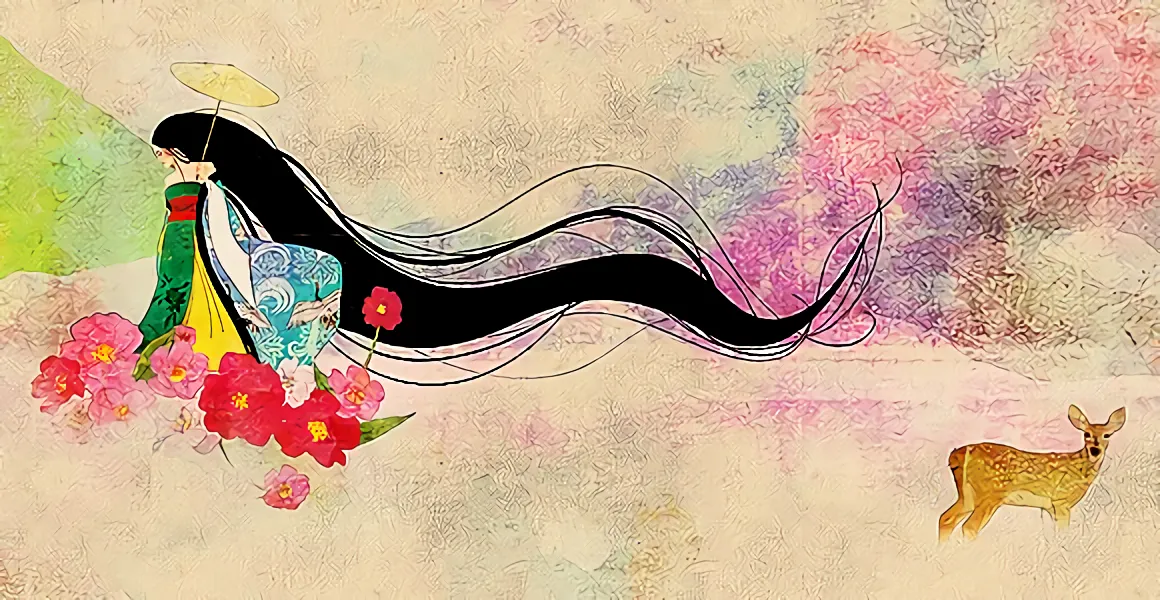
The primary myth tells of Persephone, beautiful daughter of Zeus and Demeter (goddess of agriculture). While gathering flowers, Persephone was abducted by Hades, god of the underworld, who made her his queen. Grief-stricken Demeter withdrew from her duties, causing earth’s fertility to wither. Zeus intervened, negotiating Persephone’s return – but having eaten pomegranate seeds in the underworld, she was bound to spend part of each year with Hades. This cyclical separation creates the seasons: winter when Demeter mourns her daughter’s absence, and spring through fall when Persephone’s return brings renewal.
Alternative Virgo Mythologies
Astraea’s Sacrifice: Some legends identify Virgo as Astraea, goddess of justice and stars. When humanity degenerated to the point where gods could no longer tolerate earthly coexistence, Astraea alone maintained faith in human goodness. She willingly accepted punishment for human transgressions, remaining chained on Mount Olympus while praying for hope to return to mankind.
Dike’s Disillusionment: Another version names Dike, goddess of justice, who lived among humans during the Golden Age of Cronus. As humanity progressed through Silver and Bronze Ages, becoming increasingly quarrelsome and impious, Dike eventually abandoned earth in disgust at human wickedness, ascending to sit beside the scales of justice in the heavens.
Athena’s Wisdom: Some traditions associate Virgo with Athena, goddess of wisdom and warfare. Born fully formed from Zeus’s forehead after he swallowed her mother Metis, Athena represents strategic thinking and civilized justice. The Parthenon in Athens stands as enduring tribute to this aspect of the virgin goddess.
Virgo’s Astrological Significance
Ruled by Mercury, Virgo individuals typically exhibit analytical minds, perfectionist tendencies, and strong sense of service. Their critical nature sometimes creates interpersonal challenges, but their dedication to helping others and staying productive makes them invaluable community members. The constellation’s mythology reflects these traits through themes of purity, service, and the relentless pursuit of order amidst chaos.
These interconnected myths reveal how ancient civilizations projected their values onto the stars, creating enduring stories that continue to shape our understanding of this complex constellation. Whether as harvest goddess, justice-bearer, or wisdom incarnate, Virgo remains one of the most richly symbolic constellations in our celestial tapestry.